

Understanding the Importance of Balance
- Balance is the result of a sophisticated interplay among the visual, vestibular (inner ear), and proprioceptive (muscles and joints) systems. These systems collaborate to enable safe navigation and mobility. Aging can lead to changes in these systems, diminishing balance, increasing the likelihood of falls, and the injuries associated with them.
Falls rank as a leading cause of injury among older individuals. The Centers for Disease Control and Prevention (CDC) reports that every year, one in four Americans aged 65 and above experiences a fall. Such incidents can lead to severe injuries, including hip fractures and head injuries, significantly affecting an individual's independence and lifestyle.
The Risks of Compromised Balance
- Diminished balance can instigate a fear of falling, leading to decreased physical activity. This reduction in activity can cause muscle atrophy and decreased bone density, further impairing balance and mobility. Moreover, the emotional impact of poor balance, including anxiety, depression, and social withdrawal, can be profound as individuals may avoid leaving their homes.
Furthermore, poor balance and the associated risk of falls can have significant emotional impacts, leading to anxiety, depression, and social isolation as individuals become more reluctant to engage in activities outside the home.
Enhancing Balance: Strategies and the Role of Proper Footwear
-
Improving balance is feasible at any age, and doing so can lessen fall risks and enrich life quality. Here are essential strategies, including the critical aspect of selecting the right footwear:
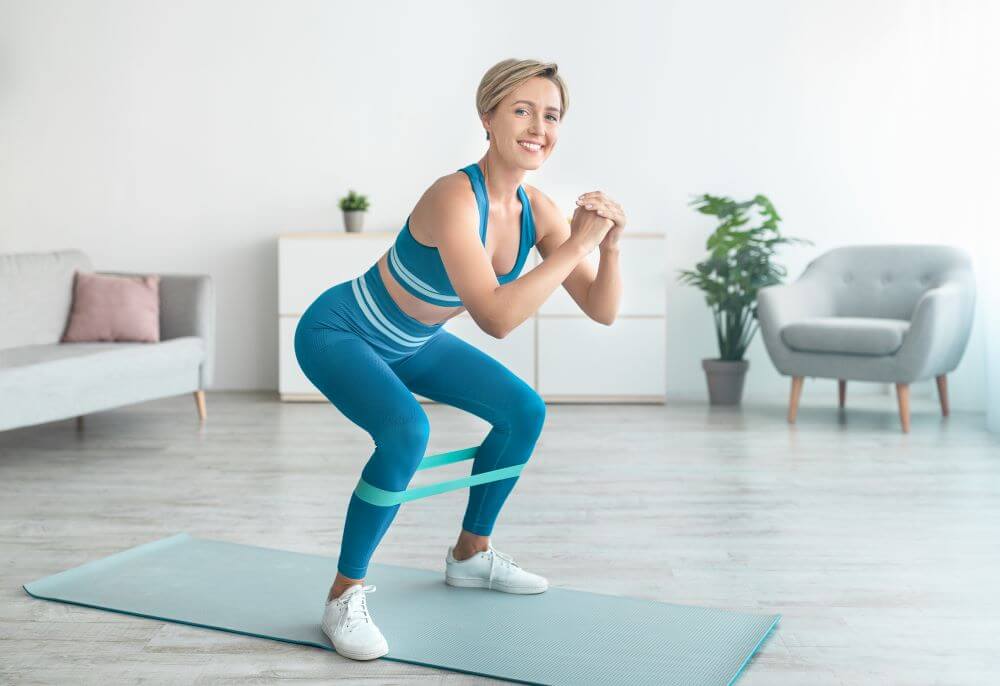
- Regular Physical Activity: Exercises that strengthen the legs and enhance balance, such as Tai Chi, yoga, and Pilates, are highly beneficial.
- Home Safety Modifications: Simple changes at home to remove tripping hazards and improve safety can prevent falls.
- Nutritious Diet: Consuming foods rich in calcium and vitamin D supports bone health, while adequate hydration helps avoid dizziness, a common fall cause.
- Healthcare Consultations: Regular check-ups can manage health issues affecting balance, such as vision impairments or medication side effects.
- Balance Training Programs: Structured programs offer personalized exercises and professional guidance.
- Proper Footwear: A crucial, yet often neglected, aspect of maintaining balance is wearing the right footwear. Proper shoes provide the necessary support, reduce the risk of slips and falls, and can significantly improve balance. Footwear should have a non-slip sole, offer adequate support, and fit well to prevent foot movement within the shoe. Quality footwear can enhance stability by ensuring that the foot is properly aligned and supported, particularly important for older adults who may have conditions like arthritis or diabetes that affect their feet.
 Balance is a pivotal component of health that influences our daily functioning and enjoyment of life as we age. By recognizing the significance of balance, understanding the risks associated with its decline, adopting strategies to maintain and improve balance, and acknowledging the vital role of proper footwear, older adults can dramatically decrease their fall risk. This proactive approach allows for sustained independence and an enhanced quality of life. Embracing balance and appropriate footwear should be integral to our health regimen, ensuring a safer and more enjoyable journey through our later years. Prioritizing these aspects not only fosters physical health but also supports mental well-being, empowering us to lead fulfilling lives at any age.
Footwear Options
At ICS, we offer a wide range of shoe options to help alleviate foot pain and improve balance. Whether you're a man or a woman, we have many choices of extra depth shoes and inserts to alleviate your foot pain. Reach out to us, and our Specialists will assist you in finding the perfect shoe that suits your lifestyle and foot conditions.ICS Shoes Most Popular Categories
For Men
For Women
.